Baby Reindeer Christmas Tree Decoration: A Modern Craft for Digital Creators
The holiday season has always been a time for reflection and creativity, but in recent years, the way we approach festive decor has shifted dramatically. Gone are the days when store-bought ornaments were the only option for adorning the family tree. Today, there is a growing movement toward personalized, handmade items that tell a unique story. At the heart of this shift is the Baby Reindeer Christmas Tree Decoration, a design that perfectly bridges the gap between nostalgic charm and modern digital fabrication.
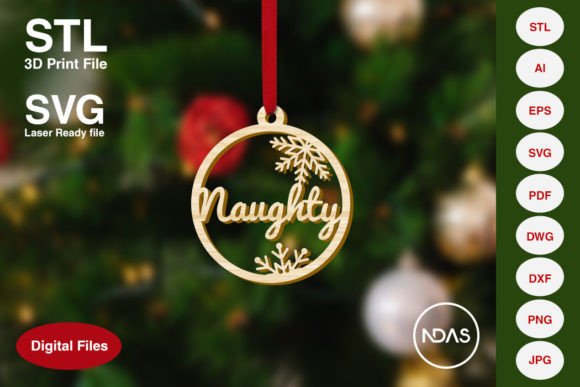
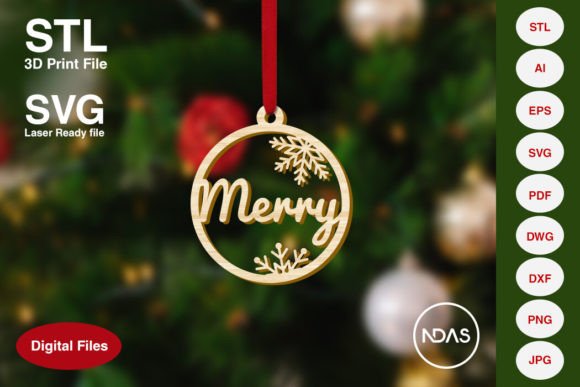
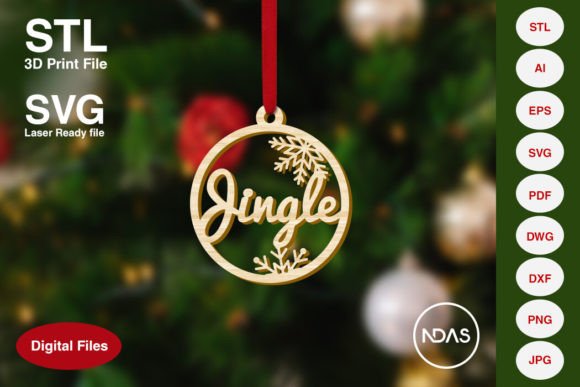
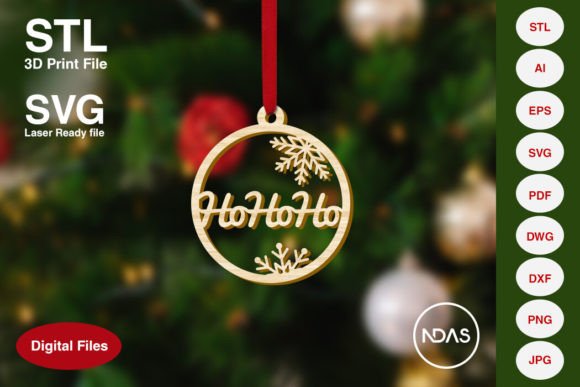
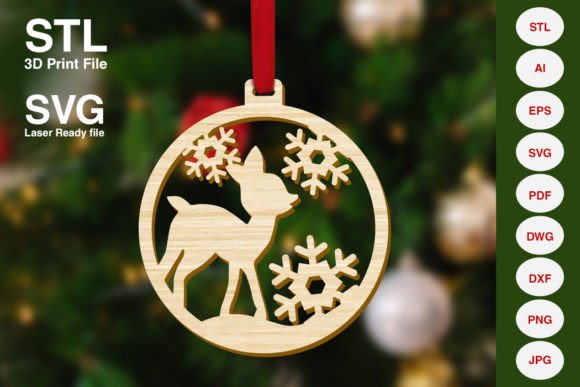
This specific ornament, often featuring a delicate snowflake motif alongside the reindeer figure, represents more than just a cute seasonal accessory. It is a testament to how technology has democratized the art of crafting. Whether you are a seasoned woodworker, a graphic designer, or a hobbyist looking to add a personal touch to your home, this design offers a versatile canvas. The trend reflects a broader cultural move where individuals seek control over their environment, preferring custom-made items that align with their specific aesthetic values rather than mass-produced generic goods.
The Evolution of Festive Design
The concept of the Baby Reindeer Christmas Tree Decoration Ornament with Snowflake has evolved from simple paper cutouts to complex digital assets ready for high-precision manufacturing. Historically, creating such detailed shapes required significant manual skill and time. Now, the process begins with a digital file, allowing for infinite iterations before a single physical cut is made. This evolution mirrors changes in creative workflows across various industries, where speed, precision, and customization are paramount.
For professionals and entrepreneurs in the maker economy, this design serves as a prime example of product scalability. A single digital asset can be sold thousands of times without additional manufacturing costs, or used by an individual to create a one-of-a-kind gift. The inclusion of the snowflake element adds a layer of complexity that appeals to those who appreciate intricate details, while the "baby" aspect of the reindeer taps into the enduring popularity of whimsical, character-driven decor. This combination satisfies the modern consumer's desire for both sentimentality and visual sophistication.
Digital Assets for Physical Creation
What sets this project apart is the comprehensive suite of file formats provided, catering to a wide range of tools and techniques. The availability of STL files for 3D printing, alongside SVG, AI, EPS, PDF, DXF, DWG, PNG, and JPG files, ensures that the design is accessible regardless of the hardware you own. This versatility is crucial in today's fragmented maker landscape, where users might switch between laser cutting, CNC routing, or 3D printing based on material availability or project needs.
- 3D Printing: The STL file allows creators to produce a three-dimensional ornament with dimensions of X 4, Y 4.4, and Z 0.25 inches. While these are standard starting points, the ability to scale the model means you can create miniature versions for wreaths or oversized pieces for grand entryways.
- Laser Cutting & CNC: For flat designs, the DXF, DWG, and SVG files provide the vector paths necessary for precise cutting. These formats work seamlessly with machines like Cricut, Silhouette, and industrial laser cutters, enabling clean edges and intricate snowflake patterns that would be difficult to achieve by hand.
- General Use: The inclusion of raster formats like PNG and JPG makes it easy to print on paper or transfer designs onto other surfaces using traditional methods.
This multi-format approach eliminates the friction often found in DIY projects, where users struggle to convert files or find compatible software. It empowers the creator to focus on the assembly and finishing touches rather than troubleshooting technical incompatibilities.
Material Versatility and Creative Freedom
One of the most compelling aspects of the Baby Reindeer Christmas Tree Decoration is its adaptability to different materials. The design is not limited to a single medium; instead, it invites experimentation. You can cut the shape out of thin plywood for a rustic, natural look, or use acrylic for a modern, translucent glow when backlit. MDF offers a smooth surface perfect for painting, while cardboard provides an eco-friendly option for children's crafts or temporary displays.
For those interested in metallic finishes, the design works well when cut from thin metal sheets, offering a sleek, industrial contrast to traditional warm woods. Even plastic can be utilized, either through 3D printing or laser cutting, to create durable ornaments that can withstand being passed down through generations. This material freedom allows businesses to diversify their product lines, offering customers choices that fit different price points and style preferences.
The size of the design, typically around 4 x 4.4 inches, is ideal for standard Christmas trees, ensuring it hangs properly without overwhelming the branches. However, the scalability inherent in vector and 3D models means you are not bound by these dimensions. A professional decorator might scale the design up to create large wall hangings, while a parent might shrink it down to make tiny tags for gift wrapping.
Practical Implications for Makers and Businesses
For freelancers, bloggers, and small business owners, this design represents a low-risk opportunity to enter the holiday market. Since no physical items are contained in the purchase, the overhead is minimal. You can buy the digital rights, customize the design if your software permits, and start selling finished products or the files themselves immediately. This aligns with the gig economy model, where digital assets are the primary currency.
Moreover, the trend towards sustainability in crafting supports the use of these files. By producing items on demand, makers avoid the waste associated with mass production and inventory storage. Using locally sourced materials like scrap wood or recycled cardboard further enhances the eco-friendly appeal of the final product. This resonates deeply with the 20–50 demographic, who increasingly value ethical consumption and want their holiday traditions to reflect their environmental consciousness.
For educators and hobbyists, the project serves as an excellent teaching tool. It introduces students to CAD (Computer-Aided Design), vector graphics, and the principles of additive and subtractive manufacturing. Seeing a digital file transform into a tangible object helps demystify technology and fosters a deeper understanding of the design process.
Integrating Tradition with Innovation
The Baby Reindeer Christmas Tree Decoration Ornament with Snowflake does not discard tradition; it reimagines it. The reindeer is a timeless symbol of the holidays, evoking images of winter wonderlands and magical journeys. By rendering this classic icon through modern digital tools, we preserve the spirit of the season while embracing the capabilities of the present. The snowflake, a symbol of uniqueness and fragility, complements the reindeer, adding a touch of mathematical beauty and artistic intricacy.
In a world where digital interactions often feel impersonal, holding a handmade ornament crafted from your own design brings a sense of grounding. It connects the creator to the object, and the object to the recipient. Whether you are using a laser cutter to slice through layers of birch plywood or extruding filament on a 3D printer, the act of creation becomes a mindful practice. It slows down the pace of life during the busy holiday rush, offering a moment of focus and satisfaction.
As we look toward the future of holiday decor, the line between digital and physical will continue to blur. Designs will become even more interactive, perhaps incorporating LED integration or augmented reality elements. However, the core appeal will remain the same: the desire to create something meaningful. The Baby Reindeer Christmas Tree Decoration stands as a current milestone in this journey, proving that with the right tools and a bit of imagination, anyone can craft a piece of holiday magic.
Ultimately, the value of this project lies in its potential. It is not just about hanging a decoration on a tree; it is about empowering the user to be the author of their own holiday narrative. By providing the files and the flexibility to choose materials, the design invites everyone from the tech-savvy entrepreneur to the casual crafter to participate in the celebration. It is a reminder that the best decorations are not the ones bought, but the ones built with care and intention.