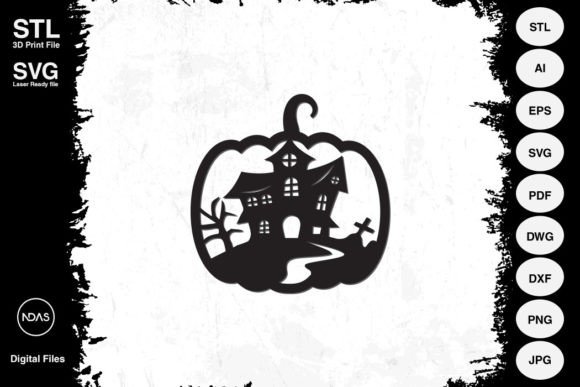
Transform Your Halloween Display with a Haunted House on Pumpkin Decoration
When the air turns crisp and the days grow shorter, the hunt for the perfect Haunted House on Pumpkin Halloween Decor begins. It is a time when homeowners, event planners, and crafters alike scramble to find ways to blend traditional autumn symbols with spooky storytelling. The pumpkin, once a simple centerpiece, has evolved into a canvas for intricate artistry. Now, imagine that canvas not just painted, but laser-cut or 3D printed with a miniature haunted house perched right atop it. This fusion of classic imagery and modern fabrication technology offers a unique twist on seasonal decoration.
This guide explores the versatility of digital files designed specifically for creating a Haunted House on Pumpkin Halloween Decoration Ornament. Whether you are a seasoned maker with a workshop full of machinery or a hobbyist looking for a new project, understanding how these digital assets work can elevate your holiday setup from standard to spectacular.
The Power of Digital Files in Seasonal Crafting
Gone are the days when you had to rely solely on store-bought plastic ornaments that often look mass-produced and cheap. The rise of accessible manufacturing technology has shifted the landscape of DIY decor. By utilizing specific file formats like STL, SVG, EPS, DXF, and PDF, creators can bring a custom design to life with precision.
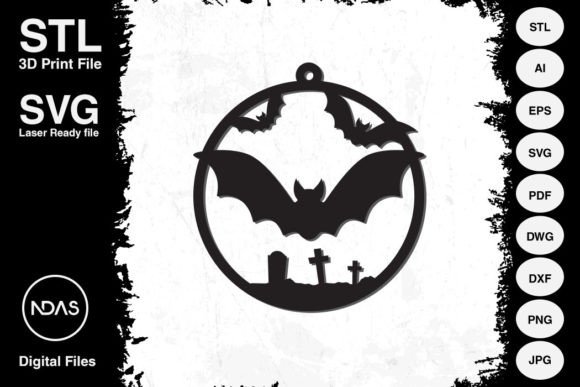
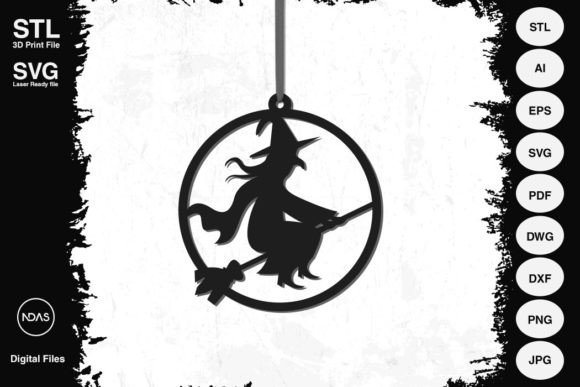
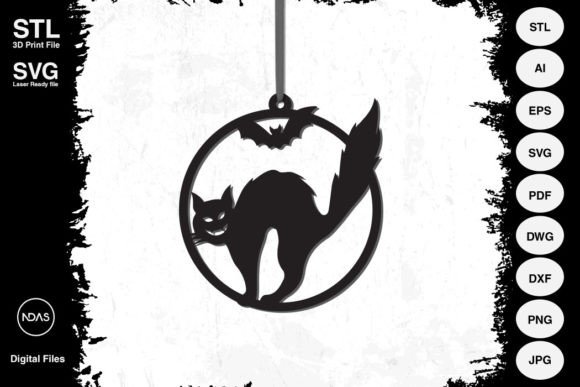
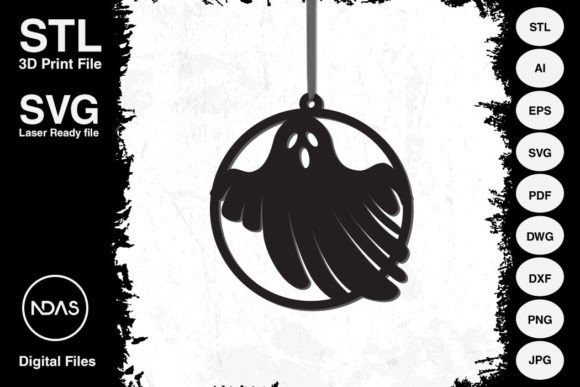
The core of this project lies in the versatility of the source material. A single design file can serve multiple purposes depending on the tools available to you. If you own a laser cutter, an SVG File or DXF File allows you to slice through materials with incredible detail. For those who prefer additive manufacturing, an STL File enables 3D printing, turning a flat concept into a tangible, layered object. Even if you don't have expensive equipment, the inclusion of PNG and JPG files means you can use the design as a stencil for hand-painting or cutting with scissors.
Bridging Traditional Craft with Modern Tech
The beauty of this approach is how it bridges the gap between old-world charm and new-world capability. Traditionally, paper cutouts were limited by the skill of the crafter's hand. With CNC machines, Cricut devices, or Silhouette plotters, the same intricate lines that would take hours to freehand can be executed in minutes with perfect symmetry. This consistency is crucial when dealing with complex architectural details found in a haunted house design—spires, windows, and crumbling walls need to align perfectly to sell the illusion.
Furthermore, scaling is no longer a barrier. While the base design might be approximately 5 x 5 inches, the digital nature of the file means you can scale it up for a large yard display or down for a delicate table ornament without losing vector integrity. The Z-axis dimension of 0.25 inches in the 3D version provides enough depth to create shadows and texture, adding a layer of realism that flat paper simply cannot achieve.
Material Matters: Choosing the Right Medium
One of the most exciting aspects of using a Haunted House on Pumpkin Halloween Decor file is the freedom to choose your medium. The choice of material dictates not only the look but also the durability and placement of your final piece.
- Wood and MDF: For a rustic, farmhouse aesthetic, plywood or Medium Density Fiberboard (MDF) is ideal. These materials hold their shape well under laser cutting and provide a warm contrast to the dark, spooky theme. A light-colored wood stained with black or gray wash creates a striking visual effect.
- Acrylic and Plastic: If you want something that glows, acrylic is the way to go. When backlit with LED lights, an Acrylic version of the haunted house creates an eerie, translucent glow that mimics moonlight filtering through fog. Clear or colored acrylics allow for vibrant Halloween palettes.
- Cardboard and Paper: For quick projects or indoor displays, heavy cardstock or decorative paper works beautifully. This is particularly useful for Cricut users who want to create layered paper art or pop-up cards featuring the haunted house motif.
- Metal: For a bold, industrial, or vintage tin sign look, thin sheet metal can be laser cut. This adds a rugged texture and ensures the decoration can withstand outdoor elements for the entire season.
Regardless of the material, the EPS File and PDF File formats ensure that the cutting paths remain precise, preventing wasted material and ensuring clean edges. This precision is vital because a jagged edge on a tiny window frame can ruin the illusion of a dilapidated, scary structure.
Practical Applications and Workflow Integration
How does this fit into your actual workflow? The process starts with acquiring the file set, which includes everything from Ai File (Adobe Illustrator) for vector editing to DWG File for CAD software compatibility. Once downloaded, the workflow is streamlined for various platforms.
For the Laser Cut enthusiast, the workflow involves importing the DXF or SVG into laser control software. You set the power and speed based on your material thickness. Because the design is optimized for a 5x5 inch footprint, it fits easily on standard sheet sizes, minimizing waste. The result is a flat-pack component that can be assembled or used as a standalone wall hanging.
For the 3D Printing community, the STL File is the key. The 0.25-inch height suggests a low-relief sculpture rather than a fully volumetric model. This keeps print times short and filament usage low. You can print this in white PLA and paint it, or print directly in black filament for a "no-paint" finish. The layered nature of 3D printing actually enhances the "crumbling" aesthetic of a haunted house, giving it a textured, almost organic decay look.
CNC routers and Silhouette cutters follow similar logic. The vector data translates directly into machine movements. This makes the Haunted House on Pumpkin Halloween Decoration Ornament accessible to schools, makerspaces, and small businesses looking to produce seasonal merchandise quickly.
Design Considerations for Maximum Impact
When selecting or modifying a design for your project, consider the environment where it will live. Is it for a front porch exposed to rain, or a cozy living room mantle? The material choice answers this question. However, there are other factors to keep in mind regarding the design itself.
Scale and Proportion: While the file is designed for a 5x5 inch area, remember that a haunted house needs to look imposing even at a small scale. Ensure that the laser cutter settings or printer resolution are high enough to capture fine details like fence pickets or window shutters. Blurry details can make a scary house look cartoonish rather than creepy.
Lighting Interaction: The best Halloween decorations play with light. If you are using Plastic or Acrylic, plan for internal lighting. If you are using Wood or MDF, consider placing the decoration in front of a light source so the shadows cast by the cutouts add to the atmosphere. The negative space in the SVG and DXF files is just as important as the solid parts; it defines where the light will pass through.
Assembly and Durability: If you are making a multi-layered 3D print or a stacked laser-cut piece, think about how the pieces connect. Some designs include tabs and slots for easy assembly, while others require glue. For outdoor use, waterproof adhesives and sealants are essential to protect the Cardboard or Paper versions from moisture.
Why Choose a Digital Design Over Pre-Made?
The decision to use a digital file for a Haunted House on Pumpkin Halloween Decor comes down to customization and cost-efficiency. Pre-made ornaments are often generic and lack the unique character that comes from a handmade touch. With digital files, you can adjust colors, combine this design with other elements, or even create variations for different years.
Moreover, the environmental impact can be lower. By producing exactly what you need, you avoid the shipping emissions associated with importing plastic decor from overseas. You can use scrap wood, recycled cardboard, or leftover 3D printing filament, turning waste into wonder.
Whether you are a professional decorator looking to offer bespoke services or a parent wanting to engage children in a fun, educational project about geometry and design, these files provide the foundation. They transform the abstract idea of a "haunted house" into a physical reality that you can hold, hang, and admire.
Final Thoughts on Creating Spooky Masterpieces
The intersection of Halloween tradition and digital fabrication opens up a world of creative possibilities. The Haunted House on Pumpkin Halloween Decoration Ornament is more than just a seasonal item; it is a testament to the maker movement. It proves that with the right AI File, STL File, or EPS File, anyone can become a creator of atmospheric magic.
Remember that the true value lies not just in the file itself, but in the execution. Take your time with the material selection. Experiment with lighting. Don't be afraid to mix materials—perhaps a wooden base with an acrylic top layer. The goal is to create a piece that stops people in their tracks and sparks conversation. So, fire up your laser cutter, load your slicer, or grab your Cricut mat, and let the spooky creativity begin. Your Halloween display deserves nothing less than a masterpiece crafted with care and precision.